Natural Stone vs. Concrete Pavers

Explore the Performance Advantage
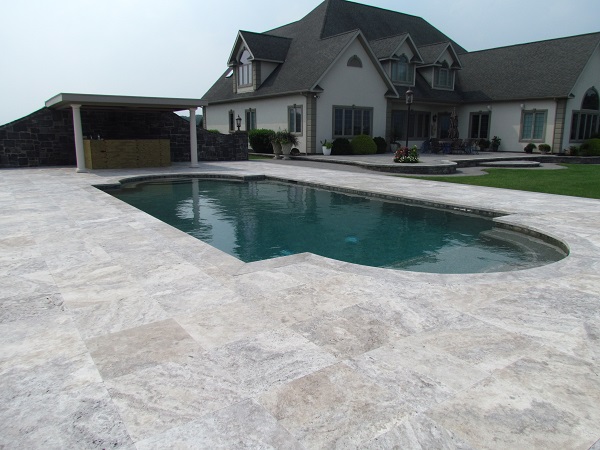
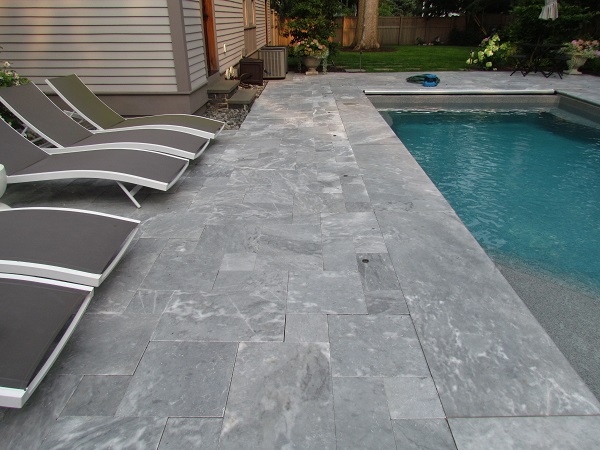
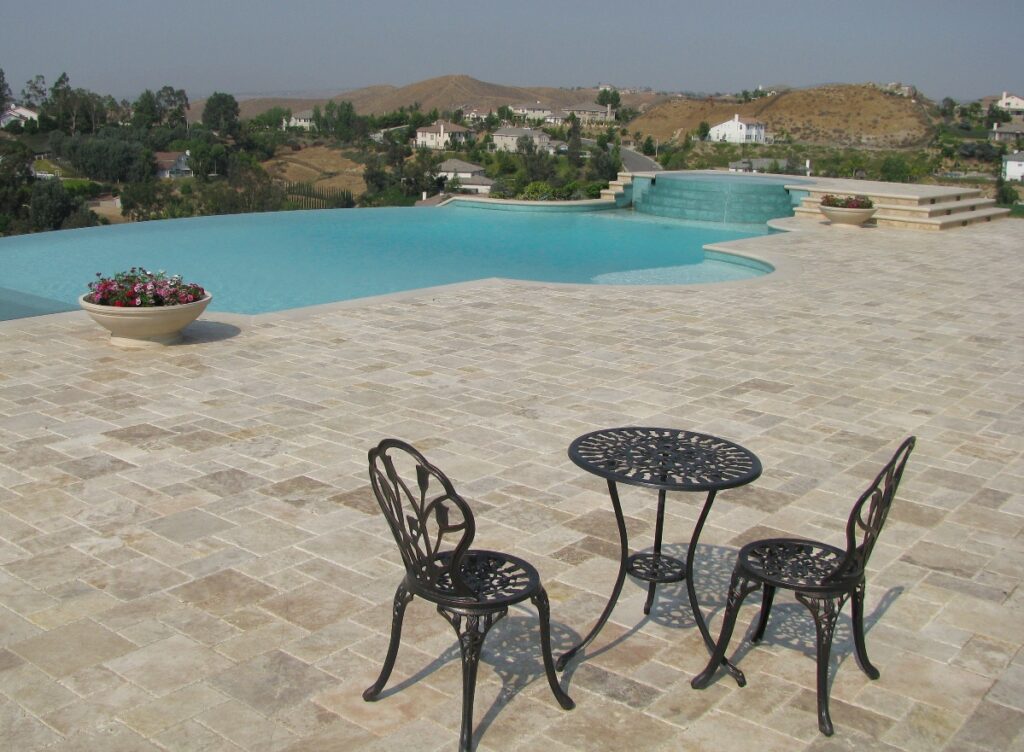
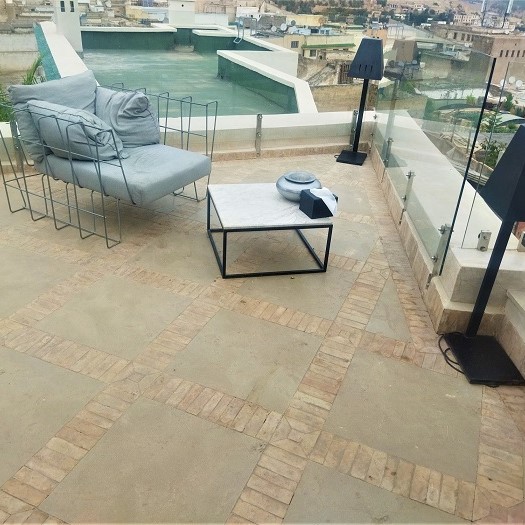
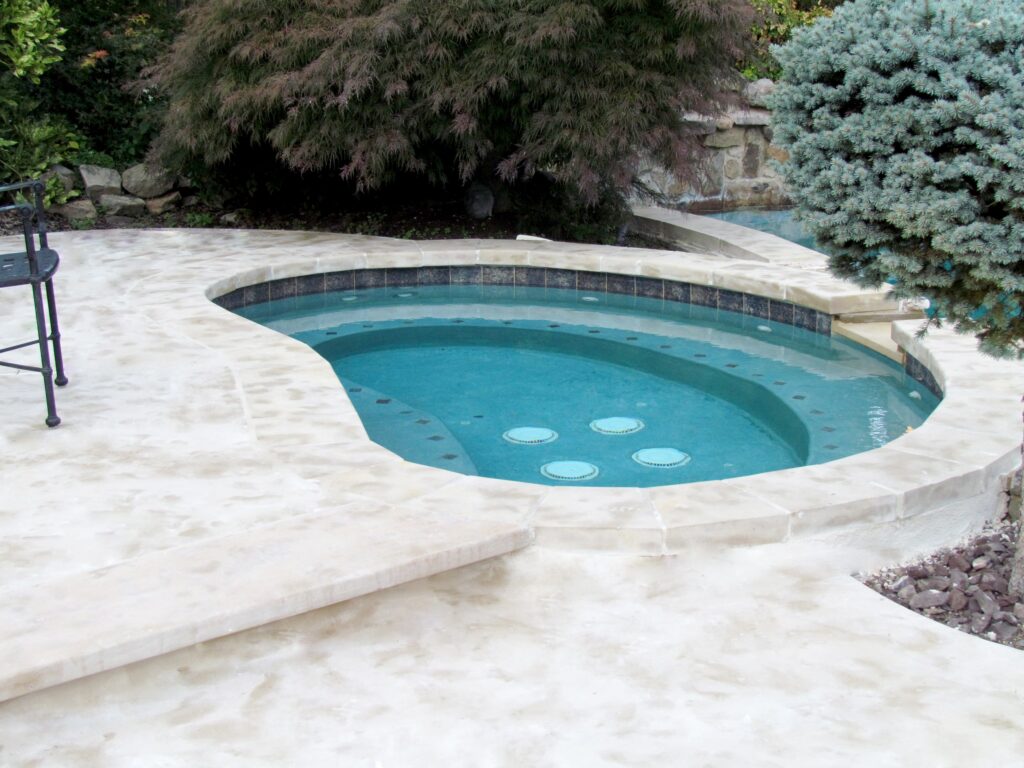
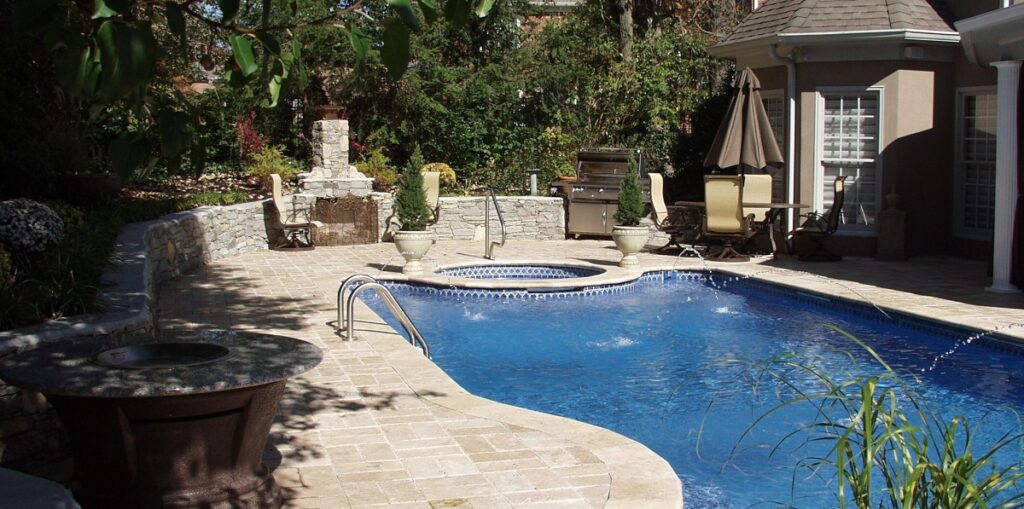
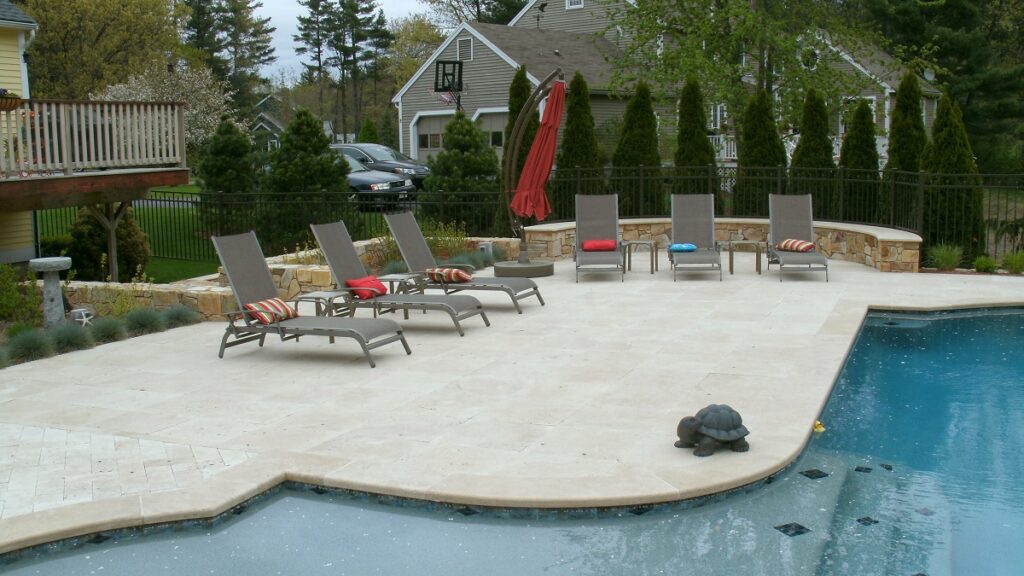
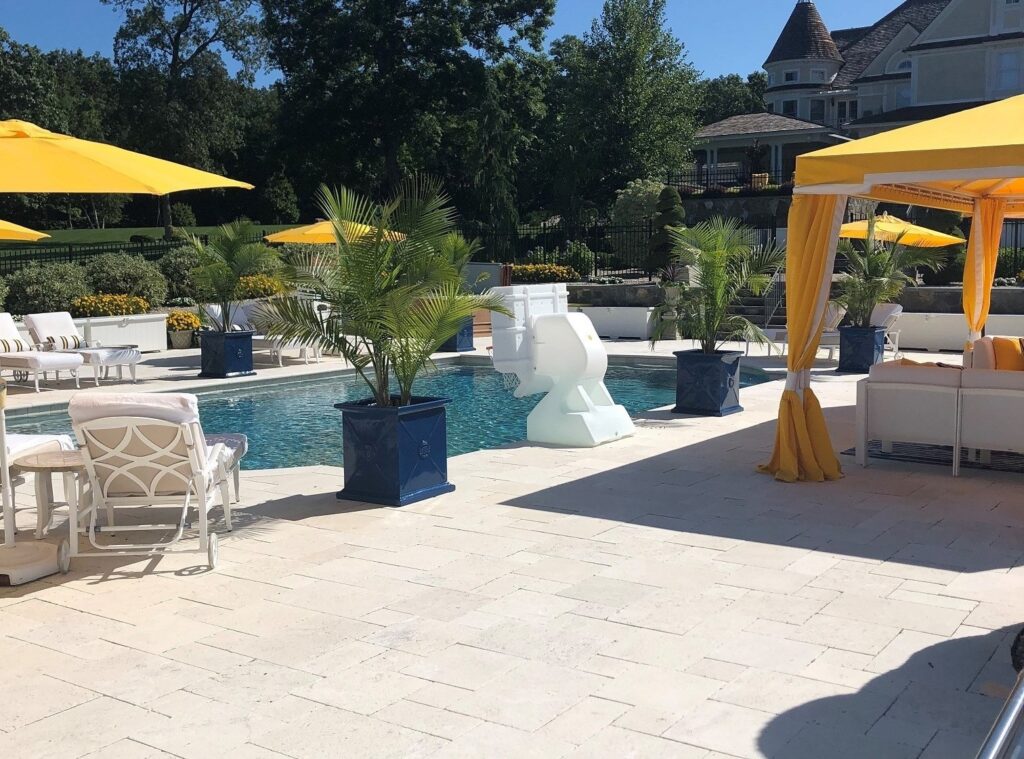
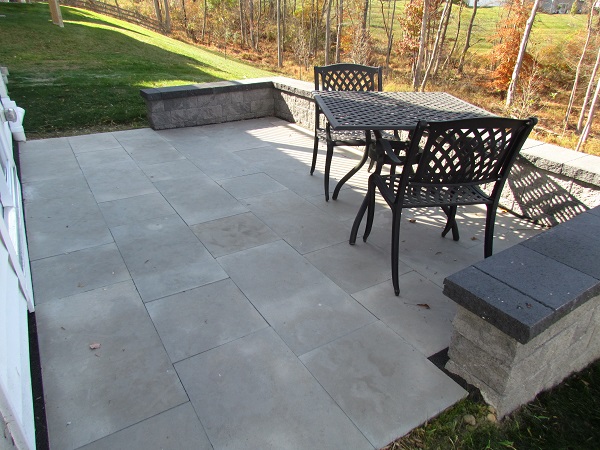
Natural Stone vs. Concrete Pavers, that is the question—be it a residential patio, a sprawling commercial plaza, or a luxurious pool deck—the fundamental choice lies between the organic beauty of Natural Stone and the manufactured aesthetic of Concrete Pavers.
Concrete may offer a lower initial price point (oftentimes, concrete “limestone look-alike” pavers actually cost more). A deeper dive into aesthetics, long-term durability, and environmental impact reveals why natural stone proves to be the superior and more responsible investment for high-end and long-lasting projects.
1. Aesthetic Appeal: The Timeless vs. The Temporary
The visual difference is typically the most significant factor driving the choice of material.
| Feature | Natural Stone | Concrete Pavers (Manufactured) |
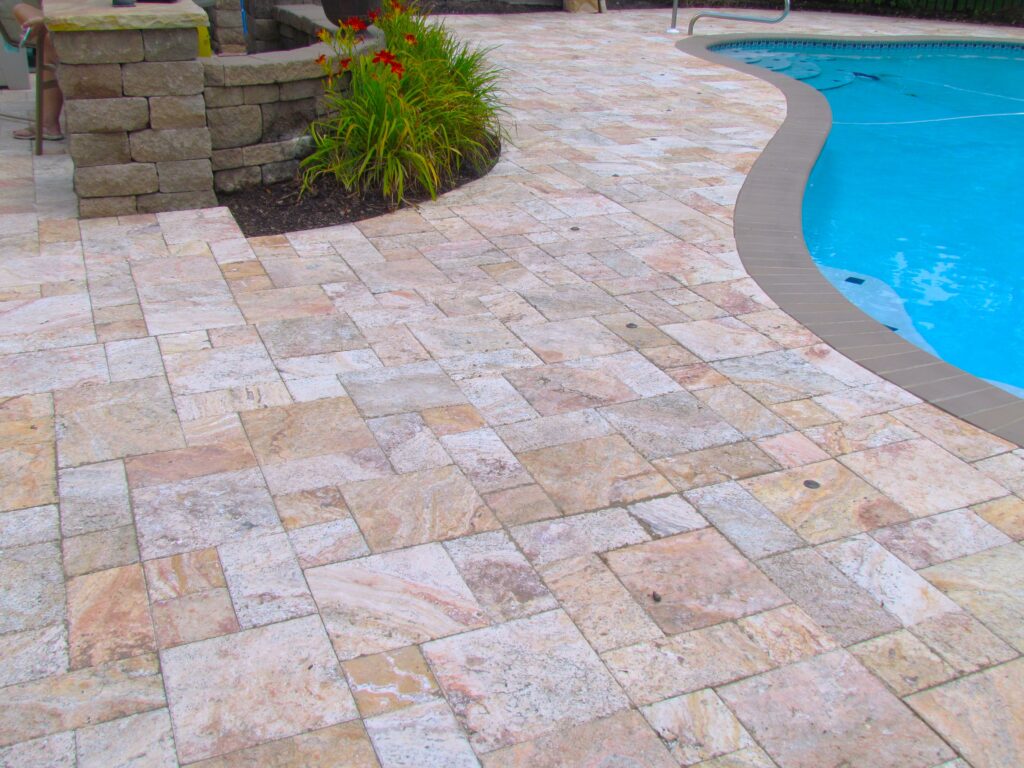
| Color & Texture | Naturally formed, unique variations, veining, and crystalline structure; color is more permanent and goes through the entire stone. | Uniform and customizable color, however, is subject to undesirable dye lot variations. Color comes from added pigments and is often only concentrated in the surface layer. |
| Aging | Patinas beautifully develop character and can maintain their aesthetic integrity for centuries (e.g., European Cobblestone Streets). | Colors fade significantly due to UV exposure. Wear and tear, in addition to acid rain, expose the grey aggregate on the surface, giving a “tired” and “worn” look. |
| Material Depth | Unmatched depth (consistent throughout the body), richness, and organic texture (e.g., the pitting of Travertine, the homogeneity of Limestone). | Uniform appearance, though advanced techniques attempt to mimic natural textures, they lack the inherent variation and depth of real stone. |
2. Durability & Structural Integrity
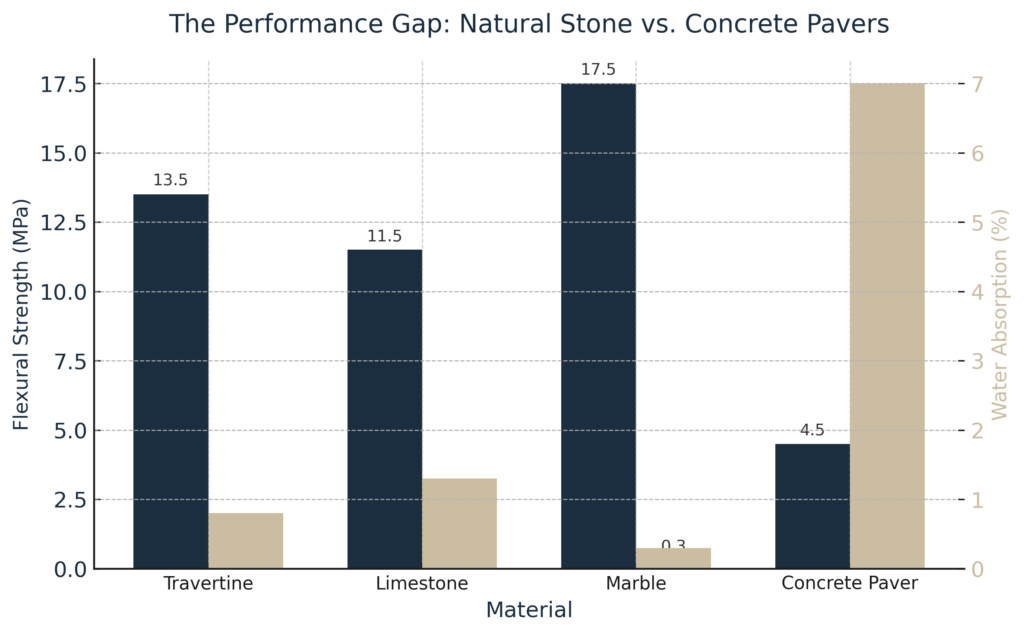
When comparing the core strength of the materials, the “man-made” advantage of concrete quickly fades against the millions of years of geological formation that define natural stone.
| Performance Metric | Natural Stone (Travertine, Dense Limestone, Marble) | Concrete Pavers |
| Flexural Strength | High: Resistant to bending and cracking, essential for driveways and heavy loads. | Lower: More prone to cracking under high stress or sub-base deformations. |
| Water Absorption | Very Low: Highly dense, displacing water and greatly reducing the risk of freeze-thaw cracking. | High: More porous, absorbing water, which leads to spalling, chipping, and cracking during freeze-thaw cycles. |
| Lifespan | Decades to centuries with minimal maintenance. | Typically, 10–20 years before significant fading, cracking, and replacement may be needed. |
3. Safety, Comfort, and Maintenance
Beyond just aesthetics and strength, the daily performance of the surface is a critical consideration, particularly for residential and wet applications like walkways, patios, and pool decks.
- Slip Resistance: Natural stone is available in various finishes (tumbled, bush-hammered, honed, SUREGRIP MOLESKIN(tm), and Sandblasted) that provide superior, intrinsic grip when wet. The natural texture of Travertine, for example, is inherently slip-resistant. Concrete pavers can require texture additives or specialized finishes to achieve comparable safety ratings.
- Heat Retention: Natural stones like Travertine and Limestone remain significantly cooler under direct sun (they lack the naturally occurring metal content, which absorbs the UV radiation in concrete pavers), making them the preferred choice by professionals for barefoot areas such as pool decks.
- Maintenance & Fading: Concrete pavers rely on chemical dyes that fade over time with UV exposure. Natural stone’s color is more permanent. and can withstand the test of time. While both benefit from sealing, natural stone primarily requires it for stain prevention, whereas concrete often requires it to slow the inevitable process of fading, erosion, and eventual failure.
4. Environmental & Long-Term Value
The true cost of a material is measured over its lifetime, not just its initial purchase price.
- Environmental Impact (Embodied Energy): The manufacturing of Portland cement (the main component of concrete) is a significant source of global CO2 emissions. Incredibly, one ton of cement throws off one ton of CO2 during its 28-day curing phase. Natural stone, conversely, is quarried, cut, and finished with minimal energy processing and no chemical additives. When responsibly sourced, it has a far lower embodied energy and carbon footprint.
- Cost vs. ROI: Natural stone can sometimes have an initial higher cost than concrete (in terms of material, installation). However, this differential delivers a much higher Return on Investment (ROI). Its longevity, superior durability, and timeless aesthetic significantly increase both a property’s perceived and appraised value over decades, virtually eliminating the future cost of replacement.
The Final Recommendation
For projects prioritizing longevity, organic beauty, high-end appeal, and optimal safety performance (especially around pools and in freeze-thaw climates), Natural Stone Pavers are the undisputed long-term winner.
While concrete remains a viable, affordable option for budget-conscious projects requiring immediate scale, it cannot replicate the timeless elegance, intrinsic strength, or enduring value of a surface crafted by nature itself. Investing in natural stone means investing in a material that will last a lifetime, often outliving the home itself.
Related Articles:
- Travertine Pavers vs Concrete Pavers
- Sustainable Natural Stone: A Timeless Choice for Eco-Friendly Design